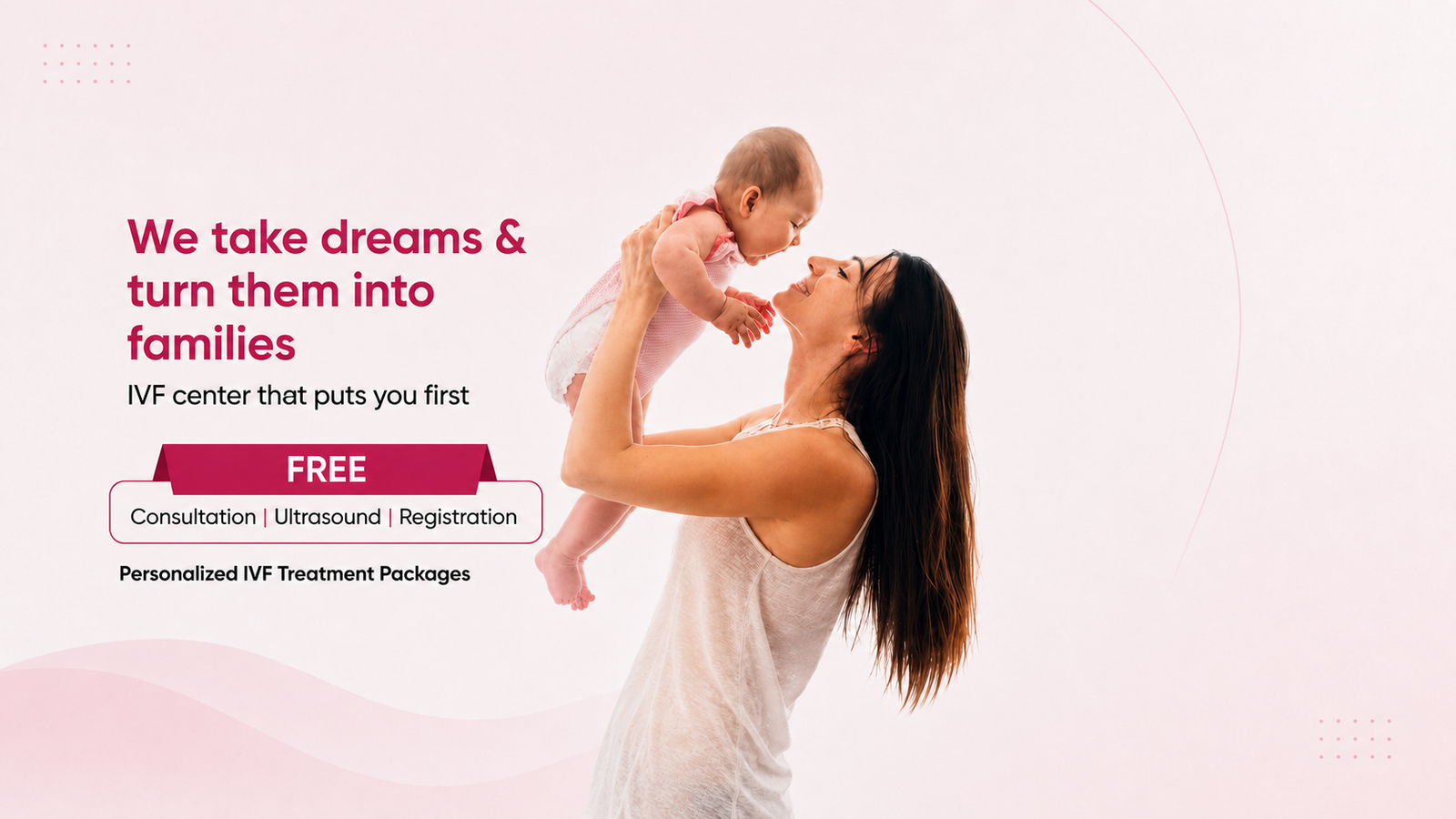

Your Journey to Parenthood
Starts Here
Providing advanced IVF treatments with a compassionate touch. Start your journey to parenthood today with our expert care.
Book Free IVF Consultation
Best Hospital for
IVF Treatment
The Popular Hospital is the best Hospital for IVF Treatment in Varanasi. We offer affordable, transparent fertility therapies that are clinically reliable, sympathetic, and trustworthy.
At Popular IVF, we make every effort to help you to have a healthy, adorable baby. Your desire to become a parent can come true with the help of our skilled medical staff. We can address all of your fertility issues and assist you in moving forward on your journey towards parenting thanks to our cutting-edge clinical setup, established medical tools & equipment, and facilities.
Book a Free Consultation
Cordial Staff

Clinically Reliable
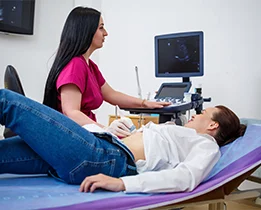
Advance Technology & Treatment

Affordable & Transparent Pricing
When to Choose Popular Hospital IVF
IVF is a proven path to parenthood for many couples. Here are the key conditions where IVF offers the best chance of success.

Blocked or Damaged Fallopian Tubes
When tubes are blocked or damaged, eggs cannot travel to the uterus. IVF bypasses the tubes entirely.
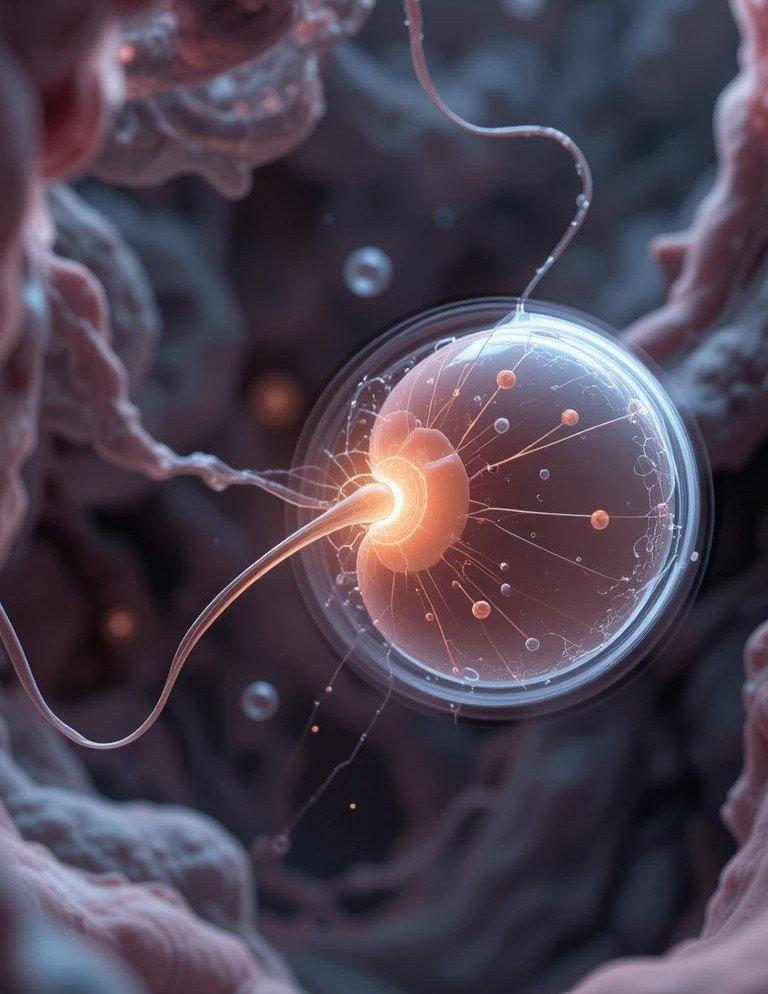
Male Infertility
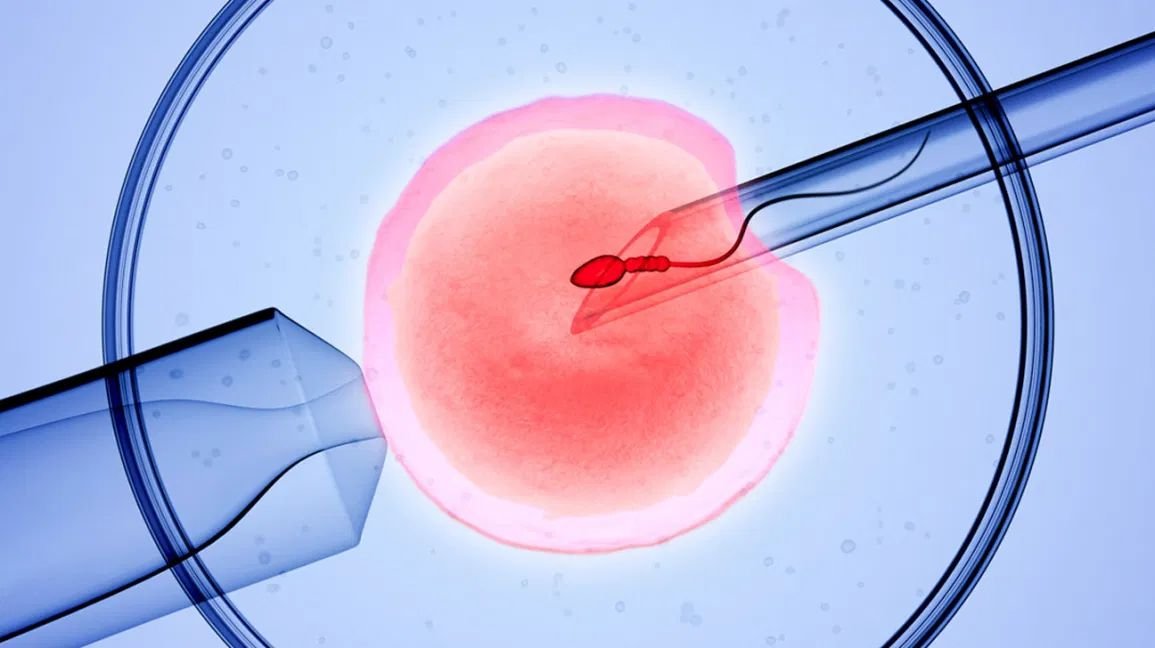
Low sperm count, poor motility, or morphology issues are effectively addressed through IVF with ICSI.

Advanced Maternal Age
As egg quality and quantity decline with age, IVF maximizes the chances of a successful pregnancy.
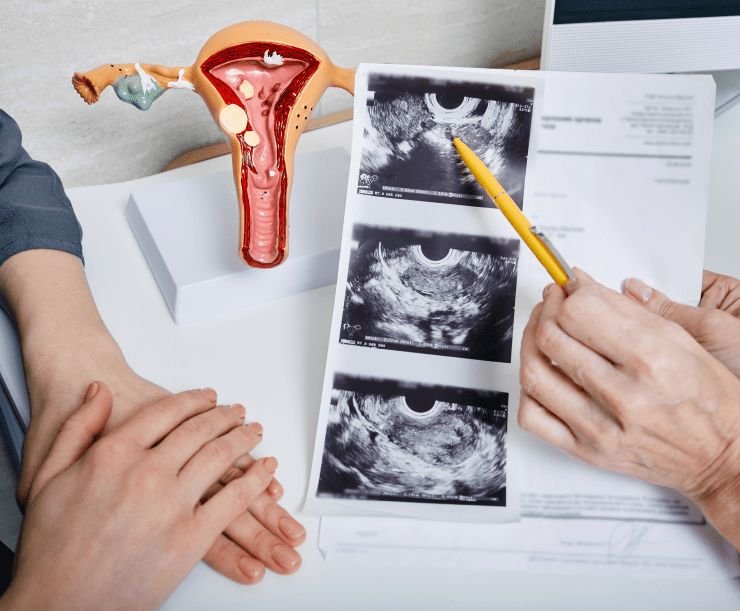
Endometriosis
Endometriosis can damage reproductive organs. IVF is often the most effective option for conception.
Previous Unsuccessful Treatments
If IUI or other fertility treatments have not worked, IVF offers a significantly higher success rate.

Fertility Preservation
IVF allows freezing of eggs or embryos for future use, ideal before cancer treatment or for career planning.

Recurrent Miscarriages
IVF with genetic testing (PGT) helps identify healthy embryos, reducing the risk of repeated miscarriages.

Unexplained Infertility
When no clear cause is found, IVF is often the most effective path to achieving pregnancy.
Get Personalised
Help!
These are most common problems — nothing to worry about. Choose the one that best suits your situation and get a free expert recommendation.
Step 1 of 2
What best describes your situation?
Select the option that applies to you:
Please select an option above
Choose the Right Treatment Plan
Varanasi's most trusted fertility clinic offering tailored treatments and flexible financing options to help make your dream of parenthood a reality.
IUI Treatment
Intrauterine Insemination — ideal for mild fertility issues.
- Follicular Monitoring
- Sperm Wash & Preparation
- IUI Procedure
- Expert Consultation
IVF Treatment
In Vitro Fertilization — our most chosen path to parenthood.
- Ovarian Stimulation
- Egg Retrieval
- Embryo Culture & Grading
- Embryo Transfer
ICSI Treatment
Intracytoplasmic Sperm Injection — for severe male infertility.
- Advanced Sperm Selection
- Direct Sperm Injection
- High Fertilization Rate
- Includes All IVF Steps
Easy Financing Options
Flexible EMI Available
Start your treatment today without financial stress. We offer 0% interest EMI plans so you can focus entirely on your dream of parenthood.
+91 9151000135 - Call to know more* Treatment recommendations and customized plans will be discussed in detail during your personalized consultation.
Your Step-by-Step Process
Understanding the IVF journey is important. Here is a simple, transparent visual timeline of what to expect during your treatment with us.
Consultation
Initial evaluation and personalized fertility planning with our experts.
Tests
Comprehensive fertility screening and blood tests.
Stimulation
Ovarian stimulation using advanced medications.
Egg Retrieval
Safe and painless ultrasound-guided egg collection.
Embryo Transfer
Transferring the healthiest embryo to the uterus.
Result
Pregnancy test to confirm your beautiful journey.
Serving Thousands of Families
Patients Travel From Across
Eastern UP & Poorvanchal
— To Seek World-Class IVF Care
Beyond Varanasi, we proudly welcome patients from Prayagraj, Gorakhpur, Mirzapur, Jaunpur, Azamgarh, Ghazipur, and all surrounding districts. World-class IVF care is now closer to you than ever.
Patients Come From These Cities
Cities our patients travel from to reach us
Varanasi
Prayagraj
Gorakhpur
Mirzapur
Jaunpur
Azamgarh
Ghazipur
All Over UP & Nearby States
Patients from Uttar Pradesh, Bihar & Jharkhand regularly visit our centre for advanced fertility treatment.
Our Services & Treatments
We provide world-class fertility treatments with advanced technology, compassionate care, and transparent pricing to help you achieve your dream of parenthood.
Diagnostics
Gynaecological Procedures
Male Infertility
Fertility Treatments
Donor Services
Fertility Preservation
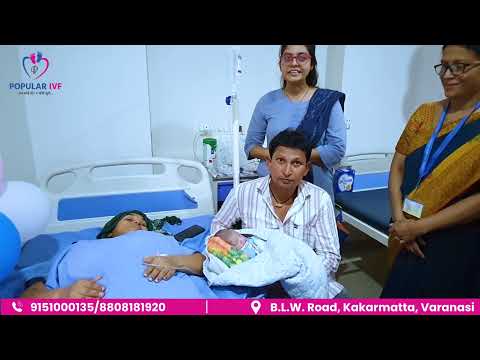
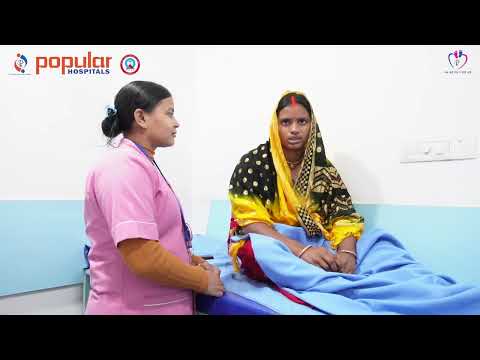
Patient Success Stories
Hear directly from our patients who have experienced the joy of parenthood through our dedicated care and advanced fertility treatments.

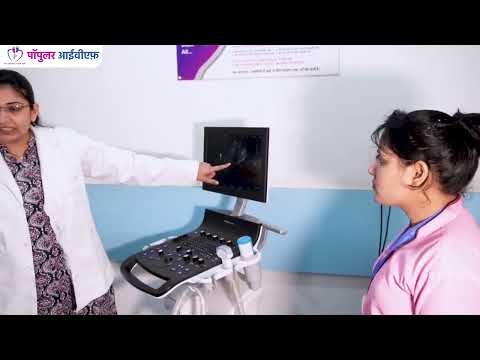
Google Reviews
Read what our patients have to say about their journey and experience with our dedicated fertility experts.


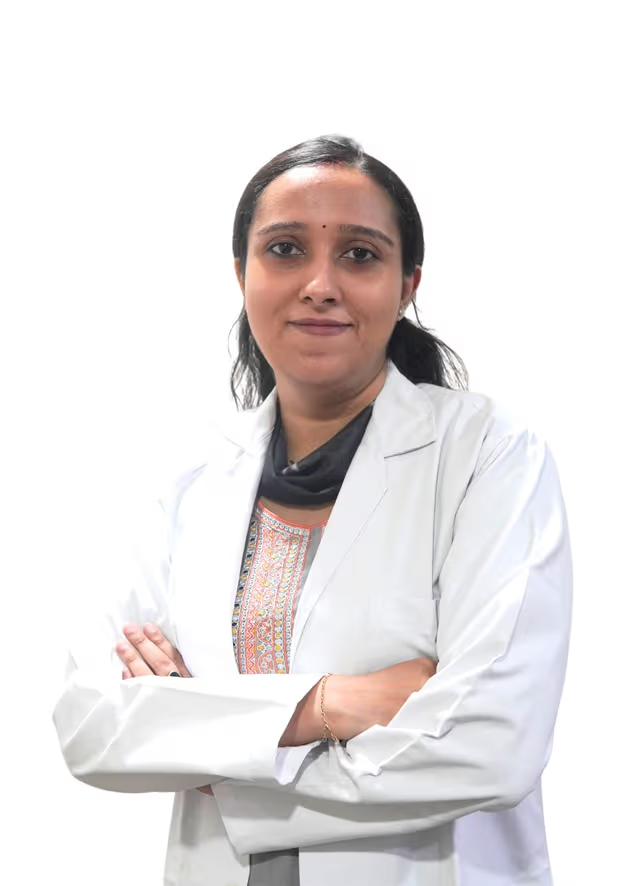
Our Fertility Experts
Meet our team of highly experienced and compassionate fertility specialists dedicated to helping you build your family.




Frequently Asked Questions
Find answers to common questions about our fertility treatments, processes, and what to expect on your journey.
Tubal-peritoneal factor- Violation of the patency of the fallopian tubes leads to the fact that the egg cannot penetrate into the uterine cavity. In this case, you can either try to restore patency using a surgical laparoscopic operation or perform IVF and implant an already developing embryo into the uterine cavity.
Male factor- This diagnosis is made when the quality of sperm is not high enough. If the number of healthy active sperm is too low to conceive a healthy child, it is better to resort to ART.
Endometriosis- Mild forms of endometriosis usually respond to surgery and hormonal treatment. If, after the therapy, pregnancy does not occur, then the doctor sends the couple for IVF procedure.
Age-related infertility- Age plays a vital role when we talk about deciding the right time for IVF. With this factor of infertility, it is desirable to supplement the standard IVF procedure with ICSI and assisted hatching methods.
Anovulation- Anovulation is usually treated with simpler methods, such as hormonal stimulation combined with IUI. But if it's unsuccessful, you can always use the IVF method. Unexplained infertility- If it is not possible to establish an accurate diagnosis, and the therapy is unsuccessful, the doctor may advise the couple to resort to the IVF procedure.
- Bed rest is not required after embryo transfer; avoid lifting heavy weight and any strenuous exercise
- Take healthy diet inclusive of antioxidants and avoid outside food
- Avoid any stress and negative thoughts
- Take medications prescribed after embryo transfer properly
- Avoid using public washrooms and maintain proper hydration to avoid urinary tract infection
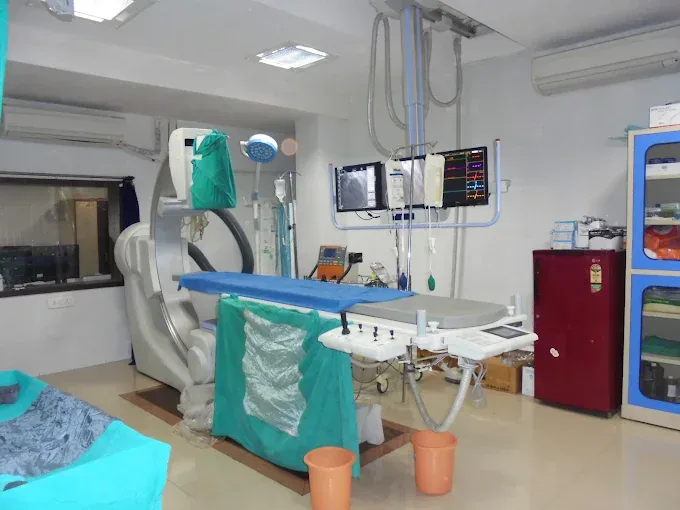
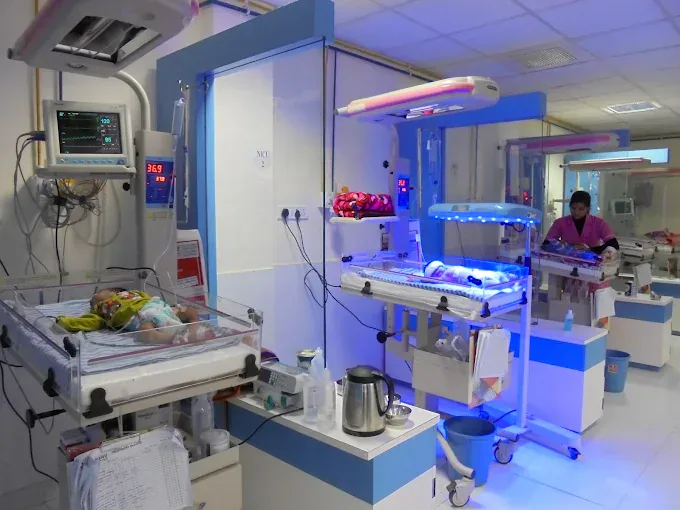
Take a Tour of Our
World-Class Facility
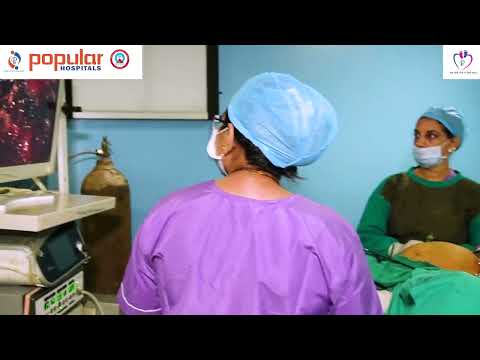
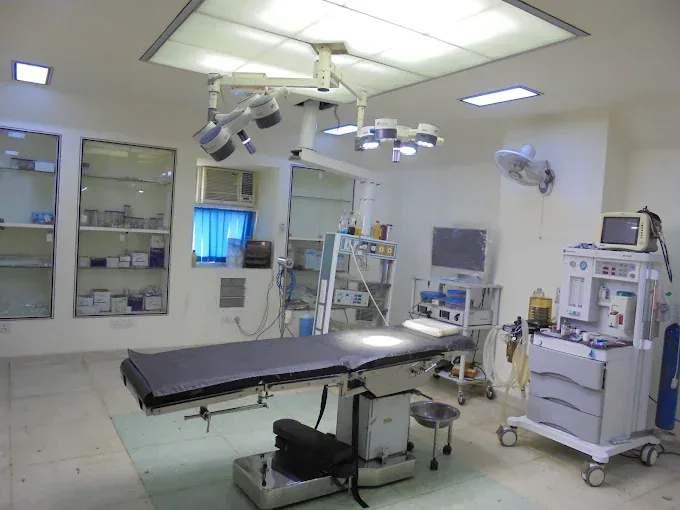
We believe in complete transparency. Explore our advanced embryology labs, highly-equipped operation theatres, and comfortable consultation rooms designed for your safety and success.

Walkthrough Popular IVF Centre

Pregnancy Calculator Tools for
Confident and Stress-Free Pregnancy Planning
Awards, Certifications & Accreditations
Our commitment to clinical excellence, ethical practices, and world-class patient care is recognized globally.

NABH Accredited
Highest Standard of Healthcare

IMA Member
Indian Medical Association

Registered Centre
State Medical Council

Best IVF Center
Varanasi Excellence Awards
Latest Blogs
Read our latest articles to stay informed and confident throughout your fertility journey.


Not sure which treatment is suitable for you?
Get a FREE
Consultation Now!
Are you looking for top-quality fertility guidance tailored to your needs? Reach out to us.
hello@popularivf.com
Phone number
+91 9151000135